


Introduction
Dow Jones FintechZoom Industrial Average (DJIA), commonly referred to as Dow Jones, is one of the most recognized stock market indices in the world. As financial technology evolves, platforms like FintechZoom provide real-time insights, analysis, and updates on the market trends. In this article, we explore the relationship between Dow Jones and FintechZoom and how investors can leverage this combination to make informed financial decisions.
What is Dow Jones?
A Brief History
Dow Jones FintechZoom Industrial Average was created in 1896 by Charles Dow and Edward Jones. It initially included 12 companies and has since expanded to 30 major publicly traded companies in the United States.
Importance in the Stock Market
The DJIA serves as a benchmark for the overall health of the U.S. economy. When the Dow rises, it indicates market optimism; when it falls, it signals economic concerns.
What is FintechZoom?
Understanding FintechZoom
FintechZoom is an advanced financial platform that provides detailed analysis, market insights, and stock performance tracking. It covers a broad range of financial instruments, including stocks, forex, and cryptocurrencies.
Why Investors Trust FintechZoom
- Real-Time Data: Up-to-the-minute market trends
- Expert Analysis: Reports from financial analysts
- User-Friendly Interface: Easy access to financial news and updates
How FintechZoom Enhances Dow Jones Analysis
Real-Time Updates
Investors can track DJIA movements instantly on FintechZoom, making it easier to respond to market changes.
Technical and Fundamental Analysis
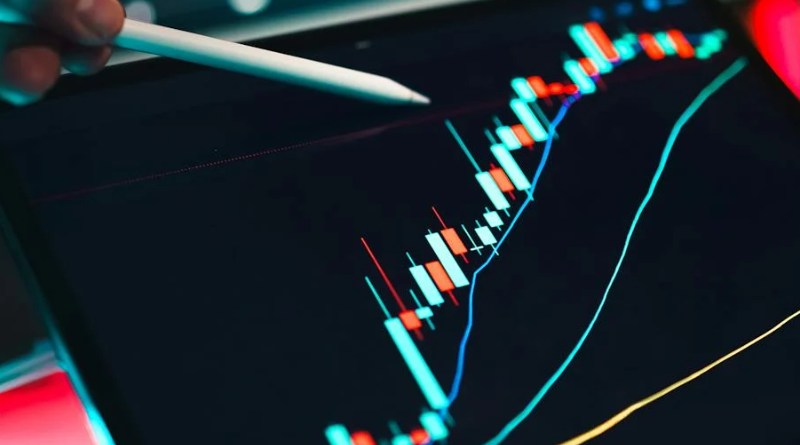
- Technical Indicators: Charts and trend analysis
- Fundamental Reports: Earnings reports, economic indicators, and corporate news
Predictive Insights
FintechZoom uses AI-powered tools to provide predictive insights, helping investors anticipate market trends.
Key Factors Affecting Dow Jones on FintechZoom
Economic Reports
Economic data such as GDP growth, employment rates, and inflation directly impact Dow Jones movements.
Federal Reserve Policies
Interest rate changes by the Federal Reserve can lead to fluctuations in the DJIA.
Global Market Trends
International trade relations, geopolitical events, and foreign market performance influence Dow Jones.
How to Use FintechZoom for Dow Jones Investment
Step 1: Sign Up for FintechZoom
Create an account to access premium insights and reports.
Step 2: Monitor Market Trends
Use FintechZoom’s live charts and reports to stay updated on Dow Jones FintechZoom movements.
Step 3: Leverage AI-Powered Tools
Utilize FintechZoom’s AI-based predictive tools to make informed investment decisions.
Step 4: Follow Expert Analysis
Stay ahead of the market by following reports and analyses from financial experts on FintechZoom.
Benefits of Tracking Dow Jones on FintechZoom
- Accurate Market Predictions
- Data-Driven Investment Decisions
- Access to Expert Opinions
- Comprehensive Market Analysis
Potential Risks to Consider
Market Volatility
Stock market investments, including Dow Jones, are subject to volatility and fluctuations.
Economic Uncertainty
Recession fears, inflation, and political instability can affect market performance.
Reliability of Predictions
While AI tools provide insights, they are not foolproof. Investors should always conduct personal research.
Conclusion
The synergy between Dow Jones and FintechZoom provides investors with a powerful combination of market analysis and real-time insights. By leveraging FintechZoom’s tools, investors can make more informed decisions, track market trends, and optimize their investment strategies.
FAQs
1. How can I access Dow Jones data on FintechZoom?
You can visit FintechZoom’s website and search for Dow Jones-related insights under the stock market section.
2. Is FintechZoom a reliable source for stock market analysis?
Yes, FintechZoom is widely used by investors and analysts for real-time market data and financial insights.
3. Can I trade stocks directly on FintechZoom?
No, FintechZoom is an analysis platform, but it provides information that can help investors make better trading decisions.
4. What are the biggest factors affecting Dow Jones?
Interest rates, economic reports, corporate earnings, and global events are major factors that influence Dow Jones.
5. How often should I check Dow Jones updates on FintechZoom?
It depends on your investment strategy. Day traders may check it multiple times daily, while long-term investors might review updates weekly.